It’s time to make your “To-Do” list for 2026, whether that means setting goals or making lifestyle changes for the New Year. But this year, why not consider changing it up and making a “Don’t Do” list for your eyes?
When it comes to protecting your eyes and supporting good vision, there are lots of bad habits to ditch.
Here are 6 bad vision habits that you can easily change to promote and support your healthy vision for years to come!
6 Bad Vision Habits to Ditch
- Skipping Regular Eye Exams
An estimated 10 percent of the U.S. population hasn’t had an eye exam in the past five years! What? How is that possible?
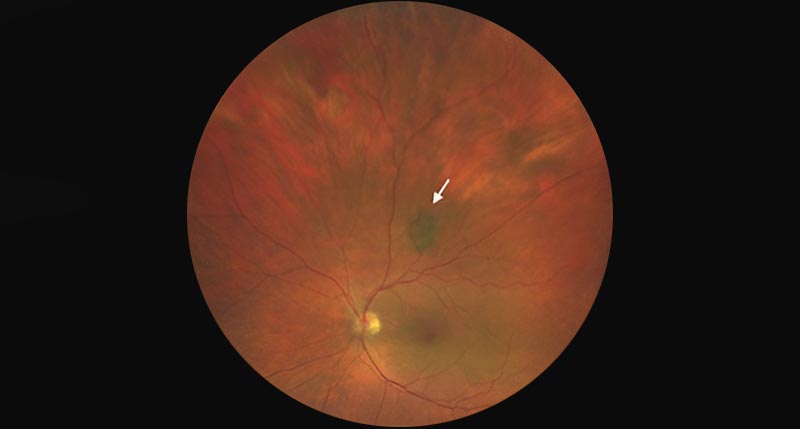
So, why is skipping your annual eye exam a potential problem? Because your regular eye exam not only tracks vision changes year over year, but just as importantly, it can detect eye conditions and diseases before you notice any symptoms. One such disease is glaucoma, which can lead to irreversible vision loss if not diagnosed and treated early. Eye exams can also detect other systemic health conditions, including high blood pressure and diabetes; both conditions cause changes in the eye’s structures that are evident to your optometrist during a dilated eye exam.
- Rubbing Your Eyes
It’s a momentary “ahhh,” but rubbing your eyes vigorously can damage the tiny blood vessels under the skin, increase the risk of infection by contamination, and cause eye irritation. Excessive rubbing can lead to corneal thinning and even change the shape of your cornea over time. This clinical condition, termed keratoconus, causes distorted vision.
In a world where staring at screens and phones can cause digital eye strain, eye rubbing is a common thing to do to relieve your itchy, irritated eyes. But try something different. We recommend the 20-20-20 rule: Every 20 minutes, focus your eyes on something 20 feet away for 20 seconds. And remember to blink! That small break gives your eyes momentary relief from the digital screen.
If your eyes are itchy due to contact or environmental allergies, ask your optometrist to recommend an eye drop to ease your discomfort.
- Improper Contact Lenses Usage
There are a lot of improper contact lens usage scenarios to avoid. Let’s focus on three of them:
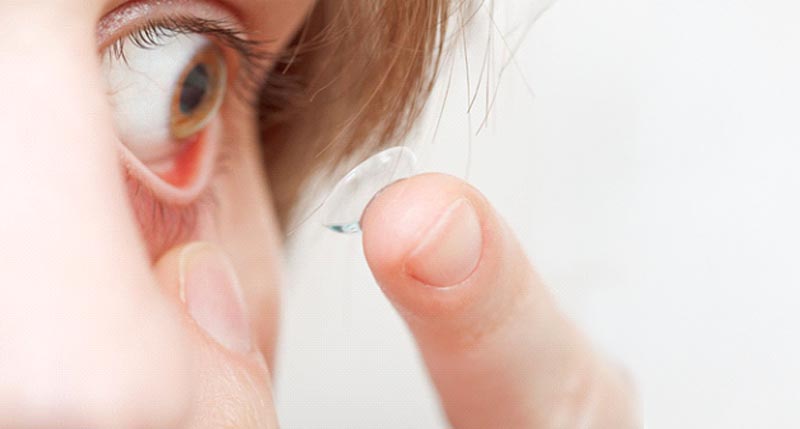
Re-wearing daily lenses. We regularly see patients who wear the same pair of daily contact lenses for days or weeks. Yes, people do that, and yes, it is hazardous to your eyes! Daily lenses are manufactured to be much thinner than long-wear lenses. They don’t hold up well to multiple days of disinfection solution and storage. Please remember: Just because you remove them at night and store them until the next day, it does not make them safe to wear again. You’re risking an infection by doing this. We see patients far too often who have contracted eye infections from re-wearing their daily contact lenses. Throw away those lenses after one day of use and replace them with a fresh new pair the next morning. Period.
Sleeping in contact lenses. Do people really do that? Yes, they do! An estimated 66% of patients are guilty of this bad eye health habit. Don’t be one of them! You’re rolling the dice if you don’t remove your contact lenses before going to sleep. Sleeping in your contact lenses reduces the oxygen supply to your cornea and can lead to serious eye infections, including corneal ulcers. Wearing contacts overnight can also cause eye pain, fatigue, dry eyes, redness, irritation, and mucus discharge — definitely not a good look. And while there are a few brands of contacts approved for extended wear, we still recommend taking them out overnight to give your eyes a rest.
Swimming with contact lenses. Water and contacts don’t mix! Swimming with your contact lenses in a pool, lake, river, or ocean puts you at high risk for an eye infection. If you need vision correction to swim safely, ask your optometrist about prescription swim goggles to help you “stay in your lane.”
- Poor Contact Lens Hygiene
If you wear monthly contact lenses, it’s important to clean and store your lenses properly. Failing to do so can lead to severe eye irritation or infection. Never use tap water to clean your lenses; always use fresh multi-purpose cleaning solution and store your lenses in a properly cleaned and rinsed case. Remember to wash your hands before handling lenses to prevent bacterial contamination from your hands to your eyes.
- Using Expired Eye Makeup
Old makeup can harbor nasty bacteria that can lead to eye infections and blurry vision. Replace mascara and eyeliner at least every three months to reduce the risk of contamination. Never share or borrow eye makeup from a friend or relative — not even your mom! And, don’t ever sleep with your makeup on. To remove it, use a fresh cotton pad with a high-quality makeup remover around the eyes and then thoroughly wash off the residue with mild soap.
- Not Staying Hydrated
Hydration is essential to the body as a whole, and especially to your eyes. With people logging hours of screen time daily, eyes can become dry and irritated. Aim to drink plenty of water to keep your eyes healthy. Here’s an easy way to calculate the amount of water you need daily: Drink half of your body weight in ounces of water per day. Example: 160 lbs. = 80 ounces of water daily. Simple.
When you eliminate all of the behaviors on this “Don’t Do” list, you will have a strong start to making eye health a priority in the new year. Take the next step by scheduling your 2026 annual eye exam with us today!