
November brings so many wonderful sights to see! Depending on where you live, you might enjoy seeing tree leaves turning to dazzling shades of red, yellow, and orange. You might love to watch football, either on TV or in person, especially if you have a child or grandchild who plays. Later this month, you may need to see and read recipes as you prepare Thanksgiving dinner. And “looking ahead” to December with its holiday lights and festivities, you’ll certainly have a lot to see and do.
The point is, vision plays an integral role in your daily life. As your eye doctor, our goal is to help you protect your sight. If you have been diagnosed with diabetes, there is a lot to think about regarding your health, diet, doctor’s appointments, and exercise regimen. But there is another important aspect of health you shouldn’t overlook: your eyes.
Diabetes can impact your vision, causing damage over time if your blood sugar spirals out of healthy range. High blood sugar affects the tiny blood vessels that nourish the retina, the light-sensitive tissue at the back of your eye. Left untreated, Diabetic Eye Disease can cause permanent vision loss.
While that news is sobering, the good news is that your daily actions help sustain good eye health more than you might think. Being vigilant about managing your diabetes and scheduling regular comprehensive eye exams can significantly reduce your risk of developing serious complications from Diabetic Eye Disease.
5 Common Myths About Diabetes and Eye Health – Busted!
Let’s bust some myths about what’s true and what isn’t when it comes to diabetes and your eyes.
Myth 1: If I can see clearly, my eyes are healthy.
Busted: Diabetic Eye Disease often develops without noticeable symptoms in its early stages. That means there can be significant damage to the blood vessels in your retina before you encounter blurry vision, floaters, or notice other changes.
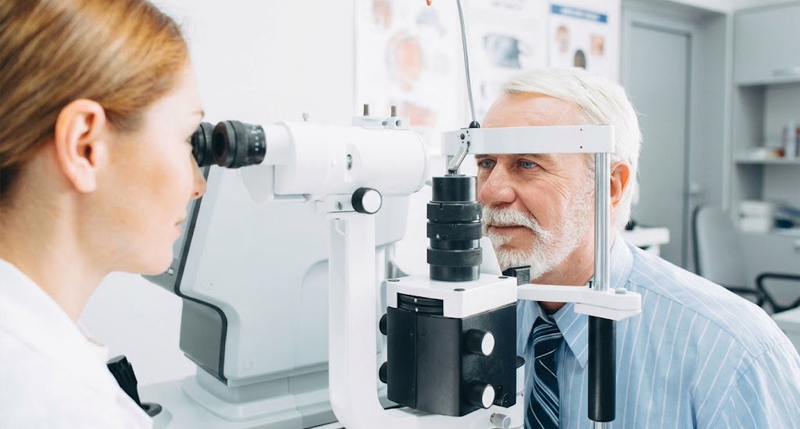
That’s why a comprehensive, dilated eye exam is so important. Your optometrist can detect early signs of damage and start treatment before you notice vision changes, which is incredibly valuable information for your continued good vision.
Myth 2: I only need to worry about my eyes if I’ve had diabetes for many years.
Busted: Diabetes can affect your eyes at any stage of the disease. Some people develop Diabetic Retinopathy after several years with diabetes, while others may already have significant retinal changes on the day they are diagnosed.
Never assume it’s too early in your diabetes journey to benefit from an eye exam. Early detection is the key because it opens up more options and opportunities to protect your vision.
Myth 3: All I need to do to prevent eye problems is control my blood sugar.
Busted: Keeping blood sugar within your target range is definitely good for continued eye health, but it isn’t the only factor you need to watch.
Blood pressure and cholesterol also play a role in your vascular and heart health. Managing diabetes means paying close attention to your body’s total, overall health, not just those glucose numbers.
Myth 4: Diabetic eye disease always causes blindness.
Busted: Diabetic Eye Disease, which includes Diabetic Retinopathy and Diabetic Macular Edema, does not always lead to blindness. Many patients maintain good vision through close monitoring and treatment.
The earlier we diagnose Diabetic Eye Disease, the better your opportunity to manage it before significant vision loss occurs. That’s why regular eye appointments to monitor your eyes for any changes are necessary.
Myth 5: Once my blood sugar is under control, I don’t need to worry about Diabetic Eye Disease.
Busted: Blood sugar management is essential, but it does not eliminate all of the risk. You may have previous damage to consider, and sadly, some patients progress despite good diabetes management.
Regular eye exams (even when your blood sugar readings look great!) are an indispensable aspect of managing eye health across your diabetes journey.
7 Healthy Habits to Protect Your Vision
While you cannot control every risk factor, when your everyday choices support strong overall health, you will naturally reduce your chances of developing diabetes-related eye complications. Yes, some of these habits may be different from what you’ve been doing; maybe it will help to think of it as an unexpected opportunity to improve your overall health.
Keeping with the National Diabetes Awareness Month theme, Take Charge of Tomorrow: Preventing Diabetes Health Problems, here are 7 habits to practice consistently and with discipline to maintain your good vision:
1. Keep blood sugar in your target range.
2. Make heart-healthy food choices.
3. Exercise: Move your body every day (in any and every way).
4. Keep your blood pressure and cholesterol in check.
5. No smoking! To quit: Visit SmokeFree.Gov
6. Prioritize sleep and stress management.
7. Schedule (and keep!) regular comprehensive eye exams.
Protect Your Vision Today to Take Charge of Tomorrow
You have a lot to see in this season of life; good vision is well worth protecting. We encourage you to build consistent, healthy habits, and make preventive eye care — including regular eye exams — part of your diabetes management plan.
Don’t wait until you notice vision changes to take action. With early detection, ongoing monitoring, and daily steps toward improved overall good health, you can support your eye health for years to come.