
“Use it or lose it” applies to a lot of things in life! Let’s look at how it applies to your Flexible Spending Account (FSA) funds. Those tax-free funds that you’ve saved all year likely expire on December 31, so your hard-earned dollars could be lost if they’re not used. Yikes!
If you contribute part of each paycheck to your FSA but don’t have a clear understanding of what services or products qualify for spending those funds, then here’s a crash course to help you.
First and foremost, FSA funds can be used for everyone in your immediate family. That includes you, your spouse, your children, or any other eligible tax dependents (as listed on this year’s tax return) – even if they’re covered under a different insurance plan.
Following are some of the vision care expenses eligible for Flex Fund use:
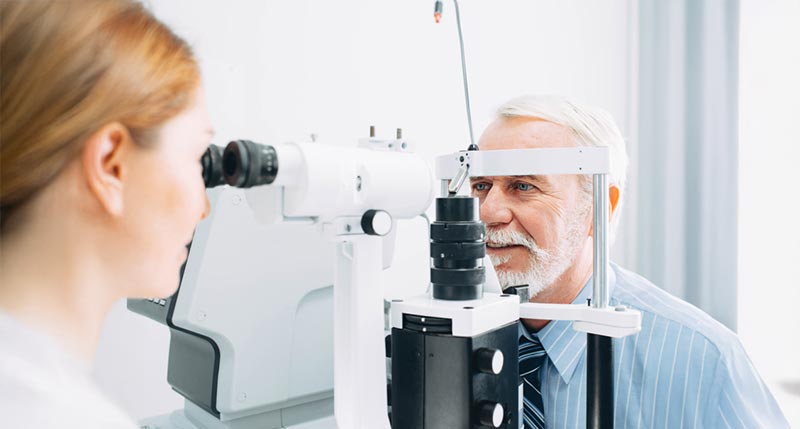
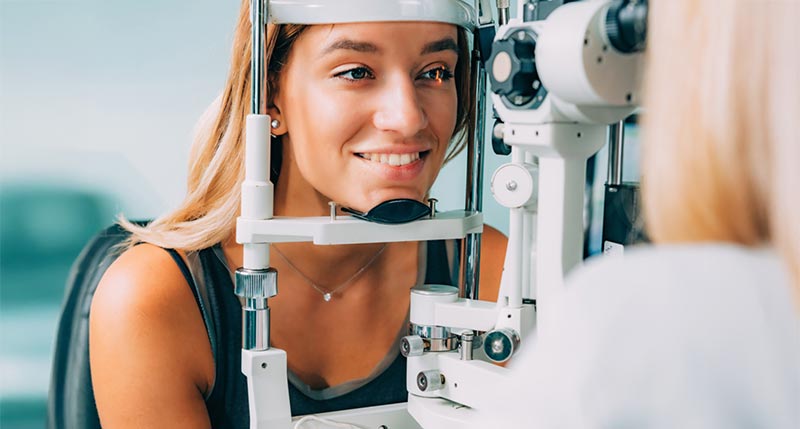
The Cost of Your Annual Eye Exam
An eye exam assesses the sharpness and clarity of your vision and also checks the health of your visual system, which reflects your overall health. If your prescription has changed, or if you want a bonus pair of glasses, you can purchase prescription eyeglasses or contact lenses with FSA funds. And if any part of your eye exam is not covered by insurance, the remaining out-of-pocket expense is eligible for FSA fund use.
Prescription Eyeglasses
We see a lot of FSA fund usage this time of year. In fact, approximately 70% of people use FSA funds to pay for prescription eyeglasses. If your eye exam indicates that you need correction, we will fit you with prescription glasses. But please remember: FSA funds can only be used to purchase prescription eyewear, not fashionable funglassses or sunglasses without prescription.
Your vision insurance may cover only a portion of the cost for prescription glasses, especially if you choose lens enhancements such as progressive lenses, multifocal lenses, or specific coatings. But such lens enhancements are eligible for FSA Fund use, which typically covers prescription lens customizations not paid by your insurance company.
If you misplace your glasses often, you can even use your Flex Funds to get a second pair of “backup” glasses to use in case of emergency!
Prescription Sunglasses
Feel like it’s time to “snazzy-up” your look? FSA funds cover prescription sunglasses, too – even designer frames and add-ons including polarization, mirrored lenses, and photochromic lenses! Protecting your eyes from the sun’s harmful radiation is important. Our optical staff will help you choose the sunglass frames with the best fit and lenses that offer 100% UV protection for your eyes and the sensitive skin around them.
Contact Lenses
The good news is that all prescription contact lenses – including bifocal, multifocal, and toric lenses for astigmatism – and even the cleansers and contact solutions required for proper care and maintenance of lenses are FSA-eligible expenses. This includes saline solution, enzymatic cleaner, and contact cases. Remember to save your receipts for reimbursement purposes.
Why not treat yourself to a year’s worth of contact lenses, so you won’t have to worry about whether you have enough lenses for that birthday, anniversary, wedding, or special night out?
Dry eye treatment, including:
- Intense Pulsed Light (IPL) treatments and meibomian gland expression to improve dry eye
- Punctal plugs to conserve your tears
- Eye inserts to lubricate the eyes (such as Lacrisert)
- Prescription drugs that increase tear production (such as pilocarpine, cevimeline), control corneal inflammation (such as Restasis) and prevent tears from drying out too quickly (such as Meibo)
- Nasal sprays that increase tear production (such as Tyrvaya)
Lesser-Known FSA-Eligible Expenses
It’s a best practice to check with your FSA administrator or review the information on the FSAFeds.gov website to confirm which vision products are eligible for FSA fund usage.
Glasses and contacts are common FSA-eligible expenses, but here are a few more items that may qualify:
- Reading glasses. And let’s face it – if you need reading glasses, you always need more than one pair!
- Computer glasses. These prescription glasses are specifically designed for you to reduce glare, enhance contrast, and block blue light to reduce eye strain and reduce the risk of macular degeneration.
- Corrective lenses for sports goggles. Athletes needing vision correction and protection can use FSA funds to purchase these.
- Prescription safety goggles. They are medically necessary for those who require vision correction in hazardous environments and are a covered expense.
- Eye care co-pays and deductibles. Your FSA funds can help offset out-of-pocket costs.
- Dry eye drops and eye allergy itch relief. These can be purchased over-the-counter (OTC) using your FSA card. Remember to save your receipts for any OTC purchase.
- Eyeglass repair, repair kits, and cleaning cloths.
Expenses NOT Covered by FSA Funds
Following are a few expenses that do not qualify for FSA fund use:
- Extended warranties on glasses
- Non-prescription colored contact lenses
- Non-prescription sunglasses
- Non-corrective blue-light glasses
- Premiums for contact lens replacement services
It’s smart to do your research and call your plan administrator to learn which expenses will be approved for FSA coverage.
Utilizing your FSA funds to cover vision-related expenses makes it easier to care for your eyes and your family’s eyes.
If you have Flex Funds to spend, schedule your eye exam today and put your FSA contributions to good use before the final bell on December 31!